Lonely Cat: Mastering Mood and Visual Storytelling
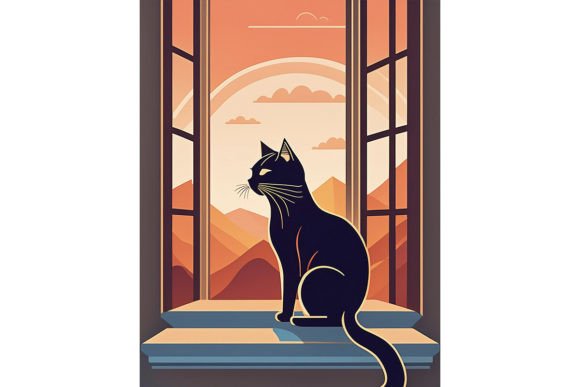
A cat silhouetted against a glowing window, suspended between the deep indigo of dusk and the warm honey of dawn—this image is far more than a simple illustration. It is a masterclass in emotional resonance, composition, and color theory. For graphic designers and brand strategists, the Lonely Cat concept represents a powerful toolkit for crafting visuals that stop the scroll, evoke deep feeling, and build an unforgettable brand identity. It taps into universal themes of solitude, introspection, and quiet beauty.
Why the Lonely Cat Works in Visual Design
The genius of this illustration style lies in its elegant simplicity. By stripping the scene down to essential elements—a single silhouette, a framed window, a gradient of natural light—it creates an immediate focal point. This approach perfectly aligns with modern aesthetics that prioritize clarity and emotional impact over clutter. The negative space around the cat and the window frame naturally draws the eye, establishing a strong visual hierarchy that is critical for effective web design and editorial design.
Furthermore, the duality of light (dusk vs. dawn) offers a versatile color palette. Cool, introspective blues and purples evoke calm and mystery, while warm oranges and pinks suggest optimism and comfort. Understanding how to leverage this spectrum allows designers to pivot the emotional tone of a brand instantly. This is a foundational lesson in graphic design and visual communication.
Practical Applications Across Creative Disciplines
The versatility of the Lonely Cat creative concept makes it a valuable asset for a wide range of creative projects. Whether you are working on logo design or a full-scale digital marketing campaign, the principles of mood lighting and strong silhouette apply directly.
Branding, Identity & Packaging
In branding, the cat silhouette could serve as a minimal yet highly evocative logo design for a luxury tea company, a mental wellness app, or a boutique publishing house. When applied to packaging design, a dusk-lit window scene creates a premium, tactile feel. The subtle gradients suggest quality ingredients and intentional craftsmanship, which is highly effective in print design and on-shelf differentiation.
Digital Media & Web Design
For UI design and UX design, the Lonely Cat scenario excels as a full-screen hero image. The strong contrast between the dark interior and the bright window provides the perfect backdrop for clean white text and call-to-action buttons. On social media graphics, this visual stops the scroll because of its inherent narrative quality. It asks the viewer to pause, wonder, and connect. Whether it is for brand identity consistency or a specific advertising campaign, this motif delivers a high professional presentation value.
Selecting and Evaluating Creative Assets
When curating creative assets for your design workflow, look for images or illustrations that offer clear typography placement zones (negative space). Consider the modern aesthetics of your target audience—does a minimalist silhouette suit a modern tech brand, or do you need a detailed, painterly style for an editorial layout? Scalability is crucial; the design must hold its weight as a tiny app icon and as a massive billboard. Consistency in the lighting direction and color palette across all assets ensures a cohesive brand identity.
- Readability: Ensure that text overlays are legible against the varying light levels of the window and shadows.
- Mood Alignment: Choose dusk for introspective or premium brands; choose dawn for optimistic, wellness-focused identities.
- Composition: Use the rule of thirds—place the cat to one side to allow for textual elements in the opposing negative space.
Ultimately, the Lonely Cat on the windowsill is more than just a fleeting design inspiration trend. It serves as a poignant reminder of how graphic design can harness light, shadow, and emotion to communicate complex narratives instantly. By mastering these elements, designers can move beyond mere decoration to create truly impactful, engaging, and memorable brand experiences.