Evaluating the Wood Planks Background: A Practical Resource for Designers and Content Creators
In visual design, texture often separates a forgettable composition from one that feels grounded and memorable. Among the many texture categories available, the Wood Planks Background stands out as a versatile asset for digital and print projects. The specific asset in question—a 5000 x 3333px, 5MB, 300dpi JPG file—presents a rustic wooden background derived from old textured planks. For anyone working with natural themes, vintage aesthetics, or earthy palettes, understanding what this resource offers and where it fits into a workflow matters more than relying on generic product descriptions.
This article provides a practical evaluation of this Wood Planks Background. We will examine its characteristics, assess its real-world usefulness, and help you decide whether it aligns with your project needs and creative standards.
What the Wood Planks Background Offers
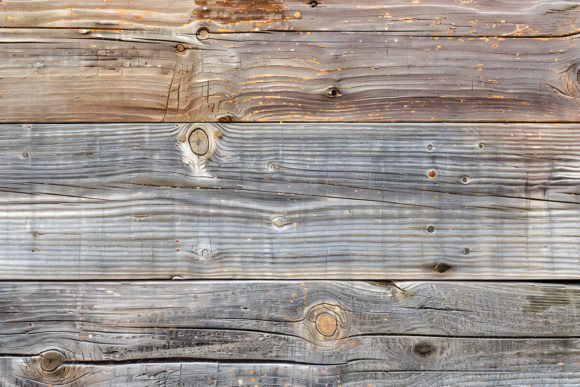
At its core, this asset is a high-resolution photograph of aged wooden planks. The wood shows the marks of time: visible grain, subtle cracks, variations in tone, and the irregular spacing between boards that gives rustic wood its character. Unlike flat, computer-generated wood textures, this background captures the authentic irregularities of reclaimed or weathered lumber.
The file specifications are worth noting. At 5000 x 3333 pixels, the image provides ample resolution for large displays, wide-format printing, or detailed cropping without losing sharpness. The 300dpi resolution ensures that printed materials will retain clarity, even when used in brochures, posters, or product packaging. The 5MB file size suggests a well-compressed JPG that balances detail with manageable file handling—important for users who work within storage or bandwidth constraints.
Because it is a JPG, the background is immediately usable across most design software, content management systems, and presentation tools. No special plugins or file conversions are required, which reduces friction for professionals and hobbyists alike.
Authentic Texture and Visual Depth
The primary strength of this Wood Planks Background lies in its genuine rustic character. The wood grain is not a repetitive pattern but a natural, organic surface with irregular lines and tonal shifts. This authenticity is difficult to achieve with procedural textures. When used as a backdrop for text, product photography, or UI elements, the surface adds a tactile quality that feels rooted in real material.
For example, a blogger designing a header image for an article about farmhouse decor can rely on this background to evoke the right atmosphere without needing to source and photograph actual planks. The same applies to small business owners creating labels for artisanal food products or handmade goods. The texture communicates craftsmanship and age in a way that clean, modern backgrounds cannot.
Resolution and Print Readiness
The 300dpi resolution combined with the 5000px width means this asset is ready for professional print use. Many stock textures offered online are optimized for screen use only, leaving designers to upscale or interpolate when a print job arises. With this file, you can confidently place it in a print layout at full size or crop into a section while retaining enough detail for high-quality output. Publishers and educators creating printed handouts, posters, or book covers will find this reliability useful.
Minimal Post-Processing Required
Because the lighting and contrast are already balanced for a natural wood surface, you can often use this background with minimal adjustments. A quick color grade, a slight vignette, or an overlay may be all you need to integrate it into a project. For freelancers and marketers working under tight deadlines, this ready-to-use quality saves valuable time.
Areas Where the Background Has Limitations
No single asset fits every scenario, and this Wood Planks Background is no exception. Understanding its limitations helps you avoid mismatched applications.
The rustic, aged appearance means it will not suit modern, minimalist, or high-gloss design directions. If your brand relies on sleek, clean surfaces or bright white spaces, this texture may feel out of place. Similarly, the relatively large file size can be cumbersome for web use if you are not careful about optimization. While 5MB is reasonable for a print-quality JPG, using it directly on a webpage without compression could slow load times. Designers and developers should plan to generate a web-optimized copy for digital use.
Another consideration is the image format. JPG, while practical, does not support transparency. If you need to layer text or graphics directly onto the wood without a background bounding box, you will need to work with masking or clipping paths within your editing software. This is a routine step for experienced users but may require some learning for beginners.
Content Creators and Bloggers
Anyone producing visual content around themes such as woodworking, cabin life, organic products, history, or outdoor living will find this background immediately applicable. Bloggers can use it as a full-page background, a featured image overlay, or a texture for quote cards. Publishers building ebooks or guides on rustic topics will appreciate the consistency it brings to page layouts.
Small Business Owners and Entrepreneurs
For entrepreneurs branding homemade goods, craft items, or nature-focused services, the Wood Planks Background provides a cost-effective way to establish a cohesive visual identity. Product photos, social media graphics, and marketing flyers can all incorporate the same texture, creating a recognizable look without hiring a photographer or designer for every asset.
Professionals in Print and Presentation Design
Marketing professionals, educators, and trainers who prepare printed materials or slide decks can use this background to add visual interest to title slides, section dividers, or handout headers. The 300dpi resolution ensures that even when printed on standard office paper, the texture retains its detail.
Practical Recommendations for Using the Background
To get the most out of this Wood Planks Background, consider the following approaches:
- Web use: Resize and compress the JPG to a web-friendly resolution, such as 1920px wide, and save at a lower quality setting. This maintains the texture appearance while reducing load times. Always keep the original file for print projects.
- Layering text: Because the wood grain is detailed, text readability can suffer if placed directly over busy areas. Add a semi-transparent overlay—white, black, or a brand color—behind the text to improve contrast and legibility.
- Combining textures: For more complex compositions, consider blending this background with other textures from the same creator’s profile. Using consistent source material helps maintain a cohesive visual language across multiple assets.
- Color adjustments: If the natural tone does not match your brand palette, experiment with hue/saturation adjustments or gradient maps. The underlying grain structure remains strong even after recoloring, giving you flexibility without losing the authentic wood feel.
Long-Term Value and Workflow Fit
A well-chosen texture asset can serve many projects over time. This Wood Planks Background, with its neutral but characterful appearance, will not date quickly. The rustic wood aesthetic has remained a staple in design for over a decade and shows no sign of disappearing. Whether you are creating a one-time campaign or building a library of reusable backgrounds, this file offers durability in both style and technical quality.
For creators who frequently work with natural materials or vintage themes, having a reliable go-to wood texture saves time and ensures visual consistency. The file’s high resolution also future-proofs it against larger display formats or more demanding print sizes that may arise as your projects evolve.
One professional observation worth noting: the best textures are those you can use without fighting the file. This asset’s straightforward JPG format, appropriate resolution, and natural lighting make it a resource you can open and apply quickly. That may not sound dramatic, but for anyone who has wrestled with poorly scanned textures or repetitive tile patterns, the value of a clean, ready-to-use file becomes clear.
Final Considerations
The Wood Planks Background is not a novelty effect or a trend-driven graphic. It is a practical, high-resolution representation of aged wood that serves a clear purpose in print and digital design. Its authenticity, resolution, and immediate usability make it a strong candidate for anyone building projects around rustic, natural, or handcrafted aesthetics.
If your work calls for the warmth and texture of real wood, this asset warrants consideration. Evaluate your color palette, typical output formats, and the overall mood you aim to convey. When the fit is right, this background can become a recurring element in your creative toolkit—one that performs reliably from the first project through many more.